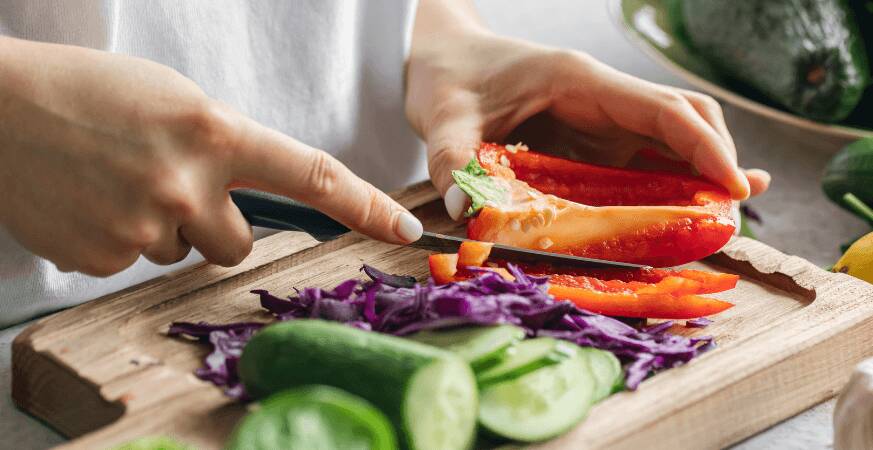
Losing weight comes down to consistently eating fewer calories than you burn, and for most people the easiest way to do that is to make small, sustainable changes rather than attempting a complete dietary overhaul. Whether you are taking orlistat or a weight loss injection, eating a healthy, balanced diet is an important part of getting the most from your treatment. If you are taking orlistat specifically, there is an additional consideration: fat intake should be kept to around 30% of your total daily calories, spread evenly across your three main meals, as eating too much fat at once can cause uncomfortable side effects.2
The good news is that you do not need to eliminate entire food groups or follow a complicated plan. These five healthy food swaps for weight loss are straightforward, practical, and easy to maintain, whether you are just starting treatment or looking to improve your current approach.
Swap 1: Replace Full-Fat Dairy With Low-Fat Alternatives
Dairy products are a significant source of hidden fat in the average UK diet. A single tablespoon of full-fat butter contains around 11g of fat, and full-fat cheese can contain 30g of fat per 100g. For anyone following a low-fat diet for weight loss, that adds up quickly.
Swapping full-fat dairy for low-fat alternatives is one of the most effective healthy food swaps you can make. Choose skimmed or semi-skimmed milk instead of whole milk, low-fat plain yoghurt in place of full-fat or Greek yoghurt, and reduced-fat hard cheese, or a smaller quantity of a stronger-tasting cheese, so you need less of it. When cooking, replacing butter with a small amount of rapeseed or olive oil, or using a low-fat cooking spray, significantly reduces the fat content of meals without much change in flavour.1
If you are taking orlistat, be aware that the medication can reduce the absorption of fat-soluble vitamins, including vitamins A, D, E, and K. Choosing fortified low-fat dairy products and maintaining a varied diet helps minimise this risk. Your pharmacist can advise whether a multivitamin supplement is appropriate for you.2
Swap 2: Replace Fried Foods With Grilled, Baked, or Steamed Versions
The cooking method you use has as much impact on the fat content of a meal as the ingredients themselves. Deep-frying adds substantial fat, as oil is absorbed into food during the process, increasing the calorie count considerably.
Switching from fried to grilled, baked, or steamed versions of the same foods is a highly effective way to reduce fat intake. Grilled chicken instead of fried, oven-baked chips rather than deep-fried, or a poached egg instead of a fried one - these changes require minimal adjustment to your usual meals. When you do need to use oil, measuring a single teaspoon rather than pouring freely can halve the fat added at the pan.1
Reducing overall fat intake supports weight loss regardless of the treatment you are taking. For those taking orlistat specifically, clinical guidance recommends aiming for no more than approximately 15g of fat per meal - broadly consistent with keeping fat to 30% of a calorie-controlled daily intake. A grilled meal makes that target significantly easier to hit than a fried one.2
Swap 3: Replace White Refined Carbohydrates With Wholegrains
This swap is less about fat and more about keeping you full. Refined carbohydrates (white bread, white rice, standard pasta, sugary cereals) digest quickly, which can leave you feeling hungry sooner and more likely to snack between meals. Managing appetite between meals is beneficial for anyone working towards weight loss. For those taking orlistat or Orlos specifically, keeping snacks low in fat is especially important, as the medication is only taken with main meals and any fat consumed between them is fully absorbed.
Wholegrain alternatives such as wholemeal bread, brown rice, wholewheat pasta, oats, and high-fibre cereals are digested more slowly. Their higher fibre content helps you feel fuller for longer, supporting appetite control as part of a weight loss plan.3 The NHS recommends choosing wholegrain versions of starchy carbohydrates where possible and aiming for at least 30g of dietary fibre per day.3
The swap is straightforward to put into practice. Use wholemeal bread for sandwiches and toast, choose brown rice instead of white, and start the day with a high-fibre cereal such as porridge or bran flakes.
Swap 4: Replace High-Fat Sauces and Dressings With Lower-Fat Options
Ready-made sauces, dressings, and condiments are among the most common sources of unexpected fat in a diet. Mayonnaise contains around 70g of fat per 100g, and a creamy pasta sauce can add 10–15g of fat per portion on top of the meal itself.
Reading food labels is the most reliable way to spot higher-fat products. As a general guide, foods containing less than 5g of fat per 100g are considered low fat.2 Practical swaps include choosing tomato-based pasta sauces over cream-based ones, using low-fat or fat-free natural yoghurt in place of mayonnaise or soured cream, and opting for salad dressings based on lemon juice or vinegar rather than oil. When eating out, asking for sauces and dressings on the side gives you control over how much you use.
For everyday cooking, replacing butter-based sauces with herb, spice, or lemon-based flavourings delivers plenty of flavour without the additional fat, and is a simple adjustment to most standard recipes.
Swap 5: Replace High-Calorie Snacks With Fruit, Vegetables, or Low-Fat Alternatives
Snacking is one of the trickier aspects of managing diet during weight loss treatment. High-calorie, high-fat snacks between meals can quickly undo the calorie deficit you are working to maintain throughout the day. For those taking orlistat, there is an additional consideration. The medication is only taken with main meals, which means any fat consumed in between is fully absorbed by the body, making lower-fat snack choices particularly important.
Replacing high-fat, high-calorie snacks with lower-fat alternatives makes a measurable difference to overall fat and calorie intake. Fruit, raw vegetables with a low-fat dip, rice cakes, low-fat yoghurt, and plain popcorn are all practical options. NHS dietary guidance recommends choosing high-fibre snacks where possible to support digestive health and satiety.3
If you find yourself snacking frequently between meals, it is worth reviewing whether your main meals are providing enough protein and fibre. Adequate amounts of both at each meal is the most reliable way to manage appetite.
Frequently Asked Questions
What should I eat on a balanced diet for weight loss?
A balanced diet for weight loss should include lean protein (chicken, fish, pulses), wholegrain carbohydrates, plenty of fruit and vegetables, and low-fat dairy. The NHS recommends filling at least half your plate with vegetables or salad and eating regular, structured meals to help manage appetite. For those taking orlistat specifically, fat intake should also be kept to around 30% of total daily calories and distributed evenly across three main meals.2
How much fat can I eat per meal when taking orlistat?
Clinical guidance recommends keeping fat to no more than around 15g per meal when taking orlistat, based on a total daily fat intake of approximately 30% of calories, spread across three meals. Consuming more fat than this at a single sitting increases the risk of gastrointestinal side effects including oily stools and urgency.2
Are healthy food swaps enough to lose weight without medication?
Healthy food swaps can form the foundation of a sustainable, calorie-controlled diet that supports weight loss without medication. For many people, dietary changes alongside increased physical activity are sufficient. For those with a BMI of 28 or above with a weight-related health condition, or a BMI of 30 or above, prescription weight loss treatment may be an appropriate addition to dietary changes.4 Options available at Pharmica include tablets such as orlistat and weight loss injections. Your pharmacist or GP can advise on whether treatment is suitable for you.
Will I need to take a multivitamin when following a low-fat diet alongside orlistat?
Orlistat can reduce the absorption of fat-soluble vitamins A, D, E, and K. NHS and clinical guidance recommends considering a daily multivitamin and mineral supplement, taken at least two hours after your orlistat dose, or at bedtime, to limit any interaction.2 Speak to your pharmacist if you are unsure whether supplementation is necessary for you.
What foods should I avoid when taking orlistat?
Avoid high-fat foods such as deep-fried foods, full-fat dairy, fatty cuts of meat, pastry, and cream-based sauces. Ready-made foods can contain significant hidden fat, so checking labels and looking for products with less than 5g of fat per 100g is a practical habit. You should also avoid fatty snacks between meals, as orlistat is not taken with snacks and any fat consumed between meals is fully absorbed by the body.2
References
- British Heart Foundation. Healthy food swaps. bhf.org.uk. 2025. Available at: https://www.bhf.org.uk/informationsupport/heart-matters-magazine/nutrition/healthy-food-swaps
- NHS. Obesity – Treatment. nhs.uk. Available at: https://www.nhs.uk/conditions/obesity/treatment/
- NHS. Healthy eating. nhs.uk. Available at: https://www.nhs.uk/live-well/eat-well/
- NICE. Obesity: identification, assessment and management. Clinical guideline CG189. nice.org.uk. 2014 (updated 2023). Available at: https://www.nice.org.uk/guidance/ng246
This article is intended for informational purposes only and does not replace professional medical advice. Always read the patient information leaflet supplied with your medication and speak to a healthcare professional if you have specific concerns.
Treat Weight Loss With Pharmica
Pharmica is one of the top-rated pharmacies in the UK, having helped over 2 million customers and earned a 4.9 out of 5 rating from more than 237,000 customer reviews. We are committed to delivering the highest standards of service, providing convenient online consultations for a range of clinically proven weight loss treatments with discreet delivery.
In addition, we regularly publish comprehensive health guides featuring information and advice based on the latest medical research via our Health Hub and through our popular email newsletter.